 KIANEWS



They had a virtual concert experience yesterday in Finland, when the concert of the Italian tenor Andrea Bocelli, who performed at the Nokia Arena...
Pekka Lundmark - Geopolitical tensions must not tear the world apart
10. 06. 2023 Saturday / By: Robert Denes / Generic / Exact time: BST / Print this page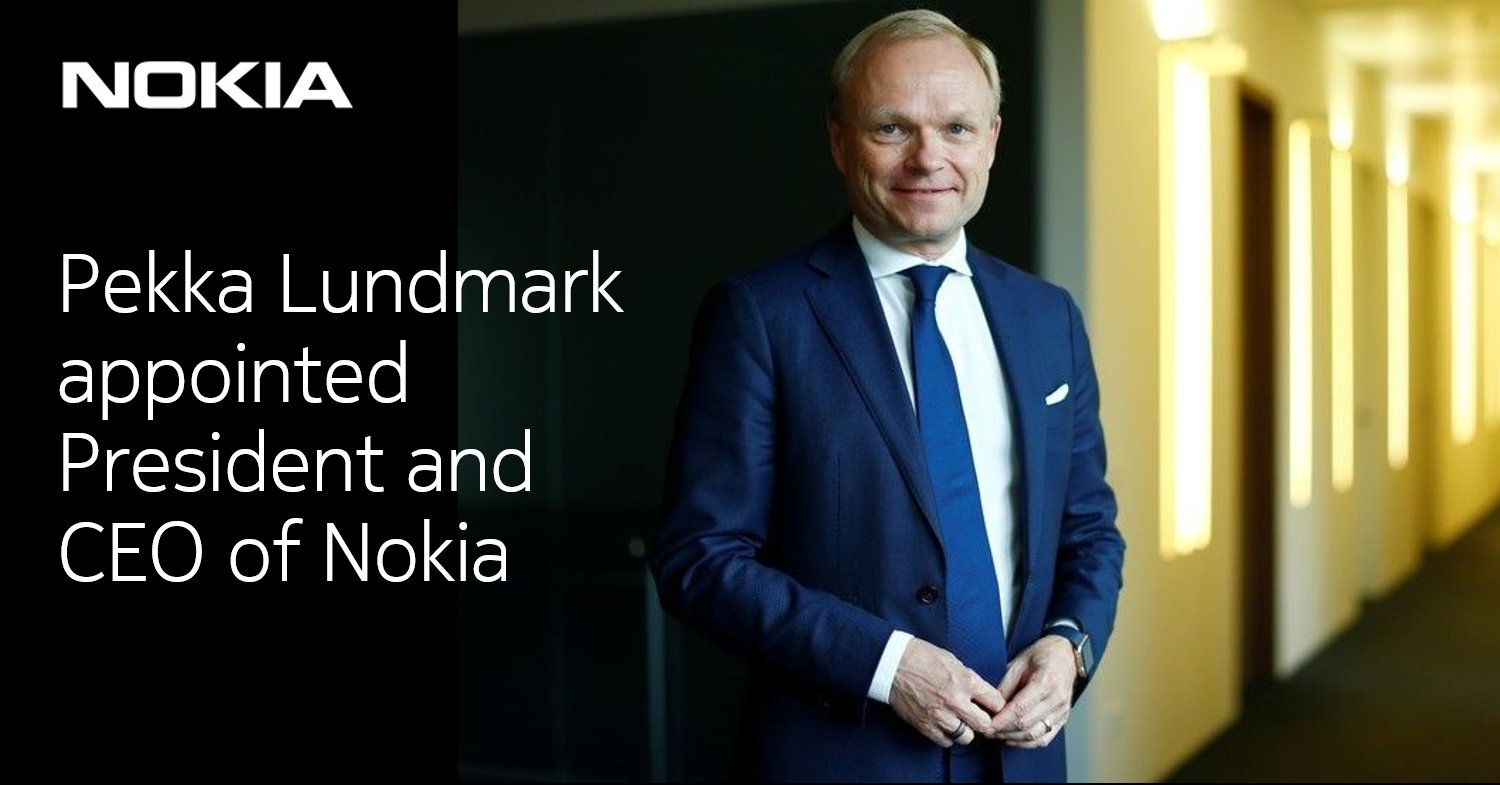
C ompared to the 1990s, when the Internet appeared, the world is much more uncertain and fragmented. Geopolitical tensions increase the risk of geographic fragmentation. This is important for technological standards. If the world begins to collapse just as the digital and physical realms collide, machines may lose their ability to communicate across borders, limiting the exponential potential of digital innovation.
International Telecommunication Union (ITU) Secretary General Doreen Bogdan-Martin has called for the industry to speak "the same language" and reach consensus on global technical standards to make digital networks not only more connected and efficient, but also more sustainable and more accessible. We at Nokia fully agree with this view.
When people don't understand each other, it can be embarrassing or even hilarious; but when the machines don't speak the same language, it can be costly—and sometimes fatal. Everything from airplanes, trains and cars, to medical equipment and shipping containers, to the voltage of the electrical current coming from the wall socket of a hotel room, all require a certain degree of standardization in order for them to function smoothly across national borders.
Standards help ensure that products and devices from different manufacturers continue to work together. And common standards promote innovation.
Check the internet. The success of the World Wide Web was shaped by an invisible architecture of shared standards, common protocols, and interoperability. This open foundation allowed different actors from different countries to contribute to the complementary elements that make up the Internet as we know it.
Digitization is rapidly reaching the shores of almost every industry, from agriculture to energy to manufacturing to transportation. As a leader in business-to-business technology innovation, Nokia is helping this wave deliver much-needed improvements in productivity, efficiency, security and sustainability across a range of industries.
Research by Accenture found industrial enterprises that leveraged digital technologies such as automation, machine learning, cloud and data analytics, digital twins, and... agile engineering techniques reduced idea-to-product time by 9.5% and demand-to-ship time by 10 by .9%. Another study by McKinsey found that companies leading the way in integrating machine intelligence into their operations improved their predictive analytics by 13%, compared to digital laggards by just 3%. In the longer term, Nokia's Bell Labs Consulting project, 5G-compatible industrial digitization, will help. It will increase global GDP by 8 trillion dollars by 2030. So the prize on offer is big. But the pitfalls are also getting bigger. By 2030, as we move from the 5G era to the 6G era, and as the consumer, enterprise, and industrial metaverses emerge, everything physical that makes sense to be connected will be connected. Our company's goal is to create technology that helps the world act together. An important part of this is cooperation with peers and competitors in setting technological standards. Nokia is active in 300 standards and industry organizations worldwide, including the ITU, the European Telecommunications Standards Institute (ETSI) and the O-RAN (Open RAN) Association. Cooperation on standards helps ensure that important topics such as energy efficiency, in addition to sustainability, inclusion, human rights, and security and data protection regulations, technical aspects such as radio spectrum allocation are also discussed, so that these can be embedded in new technologies already at the planning stage. Nokia is leading the development of 5G and 6G standards to support interoperability and innovation and promote a healthy and competitive business environment. It's a prime example of how we license our inventions on fair terms to over 200 different companies, giving them a faster and more cost-effective way to bring new products and solutions to market, with consumers as the main beneficiaries. Working together helps preserve a balanced and transparent licensing system for intellectual property and patents that rewards innovation and encourages the necessary R&D investment to create the technologies of tomorrow. Ultimately, companies can only invest in research and contribute to the development of open standards if they are confident that they will receive fair and reasonable royalties for innovation for old ones. If we want to create technology that we can trust, we need to act according to common standards. Pekka Lundmark is the President and CEO of Nokia, a Fortune Global 500 company. Opinions expressed in Fortune.com commentary are solely the views of the authors and do not necessarily reflect the opinions and beliefs of Fortune.