 KIANEWS


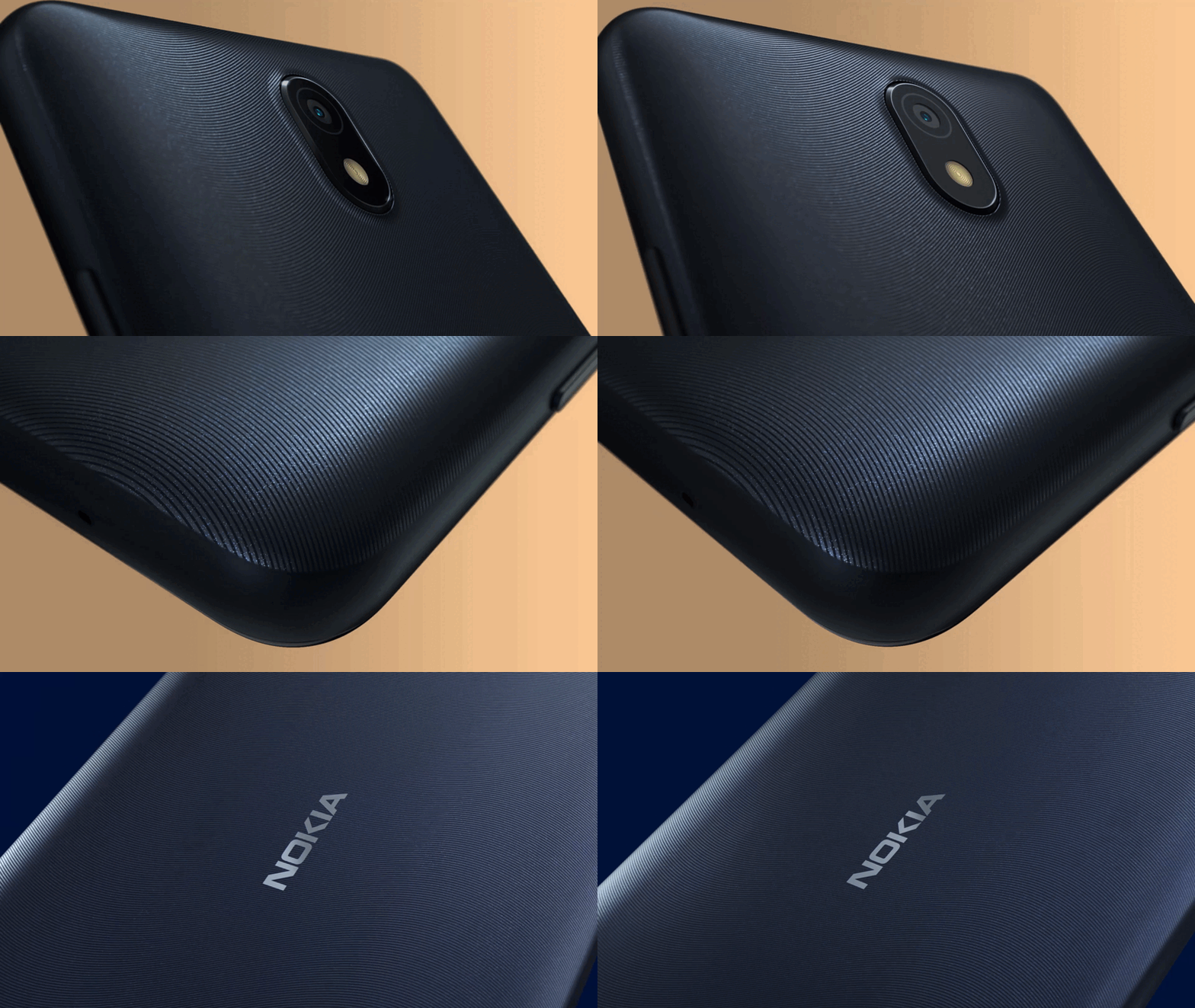

HMD Global today unveiled its latest smartphone, the HMD Fusion, an affordable device whose idea is to change functions and style with a shell. This is how the HMD Fusion will initially be distributed, but additional devices will be available later this year.
Nokia's technology is working on 3D spatial sound to revolutionize phone calls
06. 09. 2024 Friday / By: Robert Denes / Generic / Exact time: BST / Print this page
N okia's head of licensing outlined the potential and use cases for technology designed to deliver 3D spatial audio, an approach the manufacturer says it first tested during a phone call earlier this year.
Nokia Technologies head of technology licensing, Jyri Huopaniemi, positioned immersive calling as having great potential for consumers and businesses, with one "obvious" use case for the former being when people want to share experiences, such as concerts.
"With that immersion, you can reach the next level of sharing," he noted, adding that within the enterprise segment, "it's more about improving capabilities in areas like conference calling."
Here, he pointed to the ability to "place people in different places in space", with the potential to increase the salience of some participants or better isolate the origin of sounds to facilitate understanding.
"On the industrial side, it's more about utility applications: critical use cases like law enforcement or firefighters that need to respond very quickly to visual and auditory cues. If you can localize those, it gives you better response time."
The system, which Nokia is currently piloting through an OTT software application that can run on most standard smartphones, however, the executive noted that the second phase of implementation will come with the adoption of 3GPP Immersive Voice and Audio Services (IVAS) codecs in 5G-Advanced standards.
At this point,"mobile calls can be elevated to a special, immersive experience," though he expects it will "take a while to pick up."
Spatial sound gives the recipient of a phone or video call a better perspective of the location of background noises and an accurate idea of where the caller is standing.in relation to the handset.
For example, if the recipient is using headphones and the caller walks around their device, it will sound to the listener as if they are moving around.
Huopaniemi said that Nokia is "actively testing, discussing and discussing" this technology with "operators, device manufacturers and service providers" and reported that there is "definite interest" although "adoption of the standard will of course take time".
He played down concerns about network congestion from using such voice services, noting that "usually the first or second question an operator will ask" is about the bitrate being used.
"When the codec was standardized, it used similar bitrate profiles to the previous one," which was Enhanced Voice Services (EVS) designed for VoNR and VoLTE.
He noted that a bitrate of around 13.2 kbps "can create a special experience", but emphasized that this could be increased to facilitate advanced use cases, such as using a smartphone to reproduce the sound of a live concert.
Huopaniemi hopes carriers, and potentially other players in the ecosystem, will identify enhanced voice services as a way to differentiate, given that the humble phone call "hasn't seen a lot of innovation on the carrier side in recent years."
"There is an opportunity to offer more on the audio channel,"he enthused.
Looking to the future, with elements such as head tracking, augmented reality was an "obvious" potential use case.
Via Link