 KIANEWS


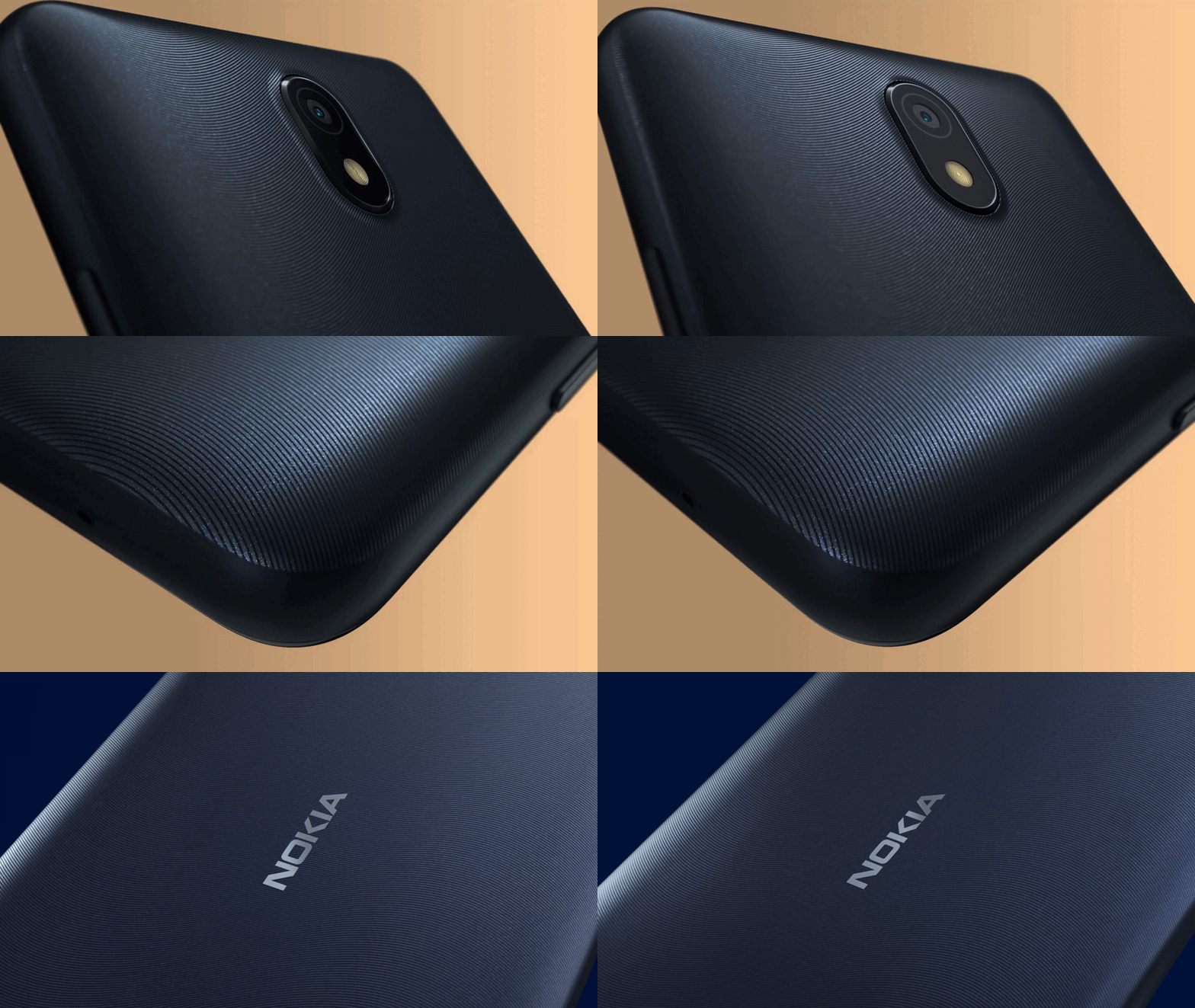

CES or the International Consumer Electronics Show is the premium event of the technology sector. It will take place between January 9 and 12, 2024 at the usual location, the Las Vegas Convention Center, where HMD Global, or HMD America, will now also be present. This year, the Finnish company that operates Nokia-branded devices rented a booth in Murano 3201A, which is the location of the meeting. Last year, HMD struck a similar deal and unveiled several US-based devices.
Will Nokia sell network division to Samsung?
31. 08. 2024 Saturday / By: Robert Denes / Business / Exact time: BST / Print this page
S amsung is reportedly in talks for a $10 billion takeover of Nokia's mobile devices business, which would undercut competition and make it bigger than Ericsson. Europe is in danger of losing one of its major mobile kit manufacturers. After months of speculation about Nokia's situation and a possible response to its problems, the Finnish company said today that it is in talks with South Korea's Samsung, including the sale of its mobile network business group.
After Bloomberg broke the story, citing "people familiar with the matter," Nokia shares rose 6% in late afternoon trading in Helsinki. But it would be a dramatic and transformative move for Nokia and the entire telecom industry. Selling the entire mobile unit to Samsung, which Bloomberg sources estimate is worth about $10 billion, would cut Nokia from its biggest market, which accounted for 44% of the company's total revenue last year.
Dozens of European and other telecommunications companies would become Samsung customers overnight, making the Asian electronics giant one of the world's largest 5G network providers. For many people who have followed Nokia's mobile fortunes this century and the path of the other US and European companies it has amassed through several rounds of consolidation, the sale would mark a sad end to the story. And it would be a further blow to telecom executives who grumble about the lack of vendor choice and competition in the market for radio access network (RAN) products.
How is that even possible? Partly because the entire RAN sector is going through miserable times. Revenues fell about 11% to roughly $40 billion last year, according to Omdia, Light Reading's sister company. It expects sales to fall another 7-9% this year. After the previous introductions, telecommunications companies fighting for a fair return on their 5G investments reduced their capital expenditures. In North America, where Nokia and others make a healthy slice of their profits, operators have been stockpiling equipment after the pandemic's supply chain crisis. So far this year, they've seen little reason to buy new parts.
AT&T justified its decision by saying that Ericsson's technology complies with new open RAN specifications designed to ensure that the kit is interoperable with products from other manufacturers. But the alleged open RAN move has left AT&T heavily dependent on Ericsson and has inevitably weakened Nokia, which now counts T-Mobile as its only remaining major US customer. Cheerleader of the open RAN, whose goal is to rival the RAN was an incentive for his vision, ultimately he can be blamed for the decrease in competition.
That's not an exaggeration, simply because AT&T accounts for 5-8% of Nokia's mobile network sales in 2023, according to the vendor's own estimates, and likely an even larger share of profits. In response to various market difficulties, Nokia has already significantly reduced its workforce, eliminating 6,000 of its 86,000 jobs between September and July last year. CEO Pekka Lundmark told Light Reading that most of the decline was in mobile networks.
The Finnish manufacturer did not confirm the negotiations with Samsung. "Nokia does not comment on market rumors or speculation," a spokesperson said in an email when contacted for comment. "In addition to the success of Nokia's dedicated mobile network business, which is a highly strategic asset for both Nokia and its customers, the company has made significant progress this year in both scaling the cost base, protecting the product development schedule, winning new business with new customers and in increasing share with existing customers. Nokia is focused on positioning mobile networks to serve customers who build best performing networks, invest in its portfolio and create value for Nokia's shareholders."
But a full takeover would have instantly catapulted Samsung into the big leagues. Last year, the South Korean company accounted for just 6.1% of all RAN sales worldwide, according to Omdia. An acquisition of Nokia would immediately increase this to 25.6%, making Samsung the world's second largest RAN manufacturer behind Huawei at 31.3%, but just ahead of Ericsson's 24.3% share.
Merging seemingly overlapping assets may be less problematic than in much larger mergers, including Nokia's €15.6 billion ($17.3 billion in today's exchange rate) acquisition of Alcatel-Lucent in 2016. The accompanying challenges were partly blamed by former Nokia CFO Kristian Pullola for the difficulties faced by 5G products a few years ago. Both Samsung and Nokia rely on the same component suppliers, including Marvell Technology for baseband chips, even if their technology approaches don't always align.
However, unlike Nokia, Samsung has a much larger electronics business, which has been in good health recently thanks to demand for chips and smartphones. Second-quarter corporate sales rose 23% to more than KRW 74 trillion ($55.5 billion), while profits jumped nearly fivefold to KRW 9.84 trillion ($7.38 billion). By contrast, Nokia reported an 18% drop in overall group sales to around 4.5 billion euros ($5 billion) and profits fell by a fifth to 328 million euros ($364 million) in the same period. What's more, its recently announced $2.3 billion bid for optical equipment maker Infinera suggests it considers other parts of the device market a better bet than mobile.
Given Samsung's small market share, regulators cannot oppose any deal. However, the same does not apply to many operators, unless they have abandoned their open RAN efforts to encourage competition. With a 6.1% RAN market share, Samsung is the fifth largest RAN manufacturer worldwide and the best alternative to Ericsson and Nokia for telcos that can no longer use Chinese suppliers. In many countries, one store can effectively promote a duopoly.
Via Link