 KIANEWS



Nokia expects to recognize the revenue related to this new patent license agreement starting in January 2024. The agreement is consistent with the assumptions Nokia has disclosed in the commentary with respect to Nokia Technologies long-term outlook in its Financial Report for Q1 issued on April 20, 2023.
Finnish Nokian Tyres is building a $706 million factory in Romania
08. 07. 2023 Saturday / By: Robert Denes / Industrial / Exact time: BST / Print this page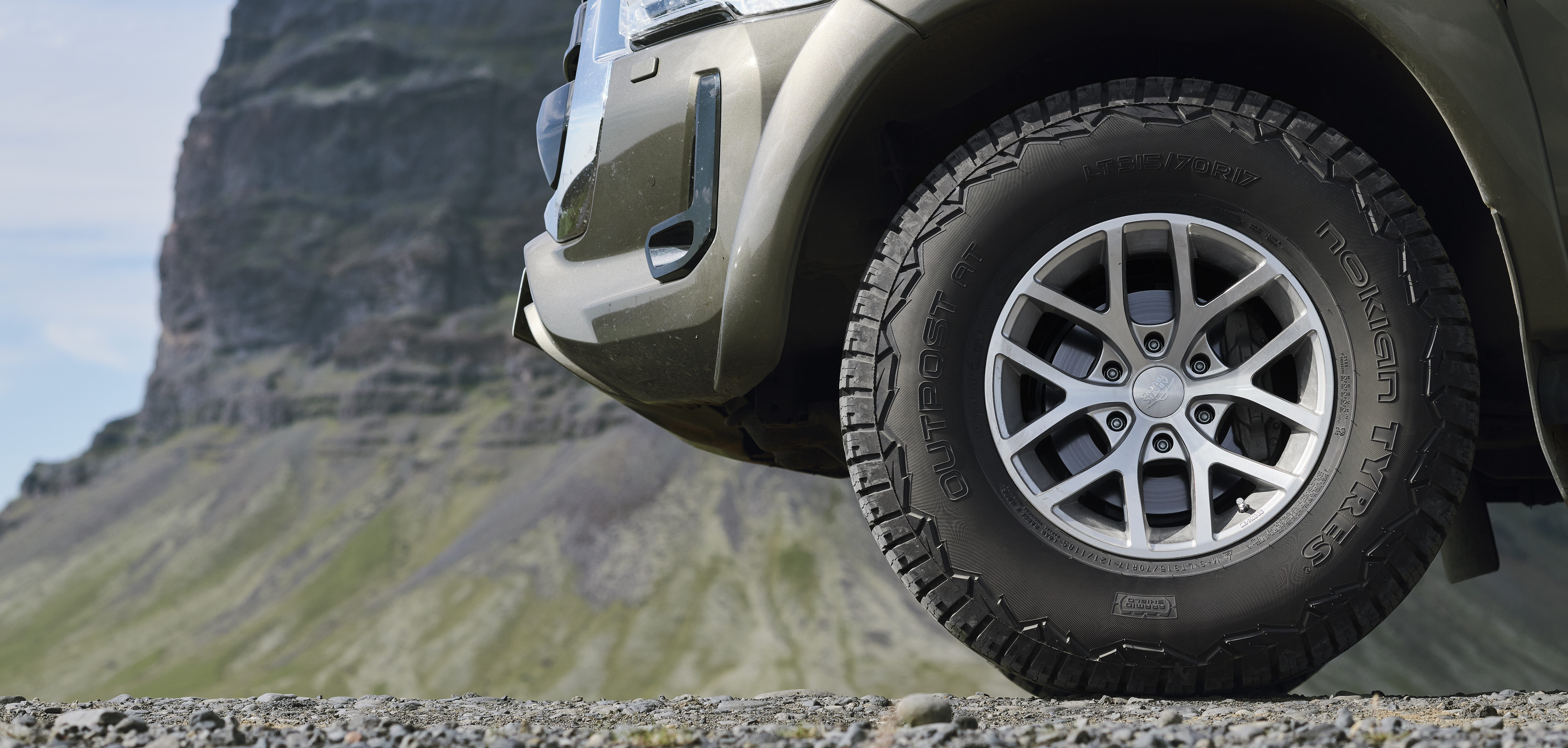
F ollowing the termination of the Russian market, Nokian Tires is building a new factory in Oryvad, Romania, with an investment of 706 million dollars. This 50-hectare plot of land in Oryvárad, Romania, close to the Hungarian border, has surpassed many European sites to become the home of Nokian Tires' new 650 million euro, i.e. 706 million dollars, factory. Like an industrial Goldilocks, the Finnish tire company was looking for the right combination of real estate, transport links, labor supply and a business-friendly environment.
However, the "you're going to break it" function, which every host country had to have, would not have appeared even a few years ago: membership in the European Union and the North Atlantic Treaty Organization.
Geopolitical risk "was the starting point," said Nokian CEO and President Jukka Moisio. This was not the case before Russia invaded Ukraine on February 24, 2022.
Nokian Tires' changed business strategy highlights the changing global economic playing field that governments and companies are facing. As the war in Ukraine drags on and tensions between the US and China escalate, critical decisions about offices, supply chains, investments and sales are no longer primarily driven by concerns over cost.
As the world becomes globalized again, the perception of political threats is much greater than before.
"It's a world that has fundamentally changed," said Henry Farrell, a political scientist at Johns Hopkins. "We cannot only think in terms of innovation and efficiency. We also have to think about safety."
For Nokian Tires, which first sold shares on the Helsinki stock exchange in 1995, the new reality came as a hammer blow. Roughly 80 percent of Nokian's passenger car tires were produced in Russia. And the country accounted for 20 percent of sales.
Mr. Moisio said the dangers of over-concentration are "when your company loses billions," he said.
Within six weeks of the start of the war, it became clear that the company had no choice but to withdraw from Russia and ramp up production elsewhere. The rapidly expanding sanctions package of the European Union has been supplemented with rubber. The public mood in Finland was upset. The share price fell. In January 2022, the share price was above 34 euros; today €8.25.
"We're very exposed," Mr. Moisio said, sipping coffee in the sunlit conference room of the company's understated Helsinki office. The Russian operation had high returns, but it also had high risks, which disappeared over time.
Diversification may not be as efficient or cheap, he said, but it is "much safer."
Businesses suddenly find themselves "stuck in a no-man's land of warring empires," Mr Farrell and his co-author Abraham Newman argue in a new book.
Mr. Moisio's tenure at Nokian coincided with a triple crown of crises. It started in May 2020, a few months after the Covid-19 pandemic essentially brought global trade to a halt. Like other companies, Nokian also fell back, cutting production and capital expenditures. The lack of outstanding debt helped weather the storm.
And when the economy picked up, Nokian scrambled to restart production and replenish raw materials inventories amid massive supply chain and transportation disruptions. The war posed an existential threat to...