 KIANEWS




Finnish company HMD Global has launched a new HMD Fuse smartphone aimed specifically at children. According to the company, it is the world's first smartphone that prevents children from filming, broadcasting or viewing nude and sexually explicit content, even while streaming.
Nokia opens new €200 million campus in Oulu, Finland
05. 09. 2025 Friday / By: Robert Denes / Generic / Exact time: BST / Print this page
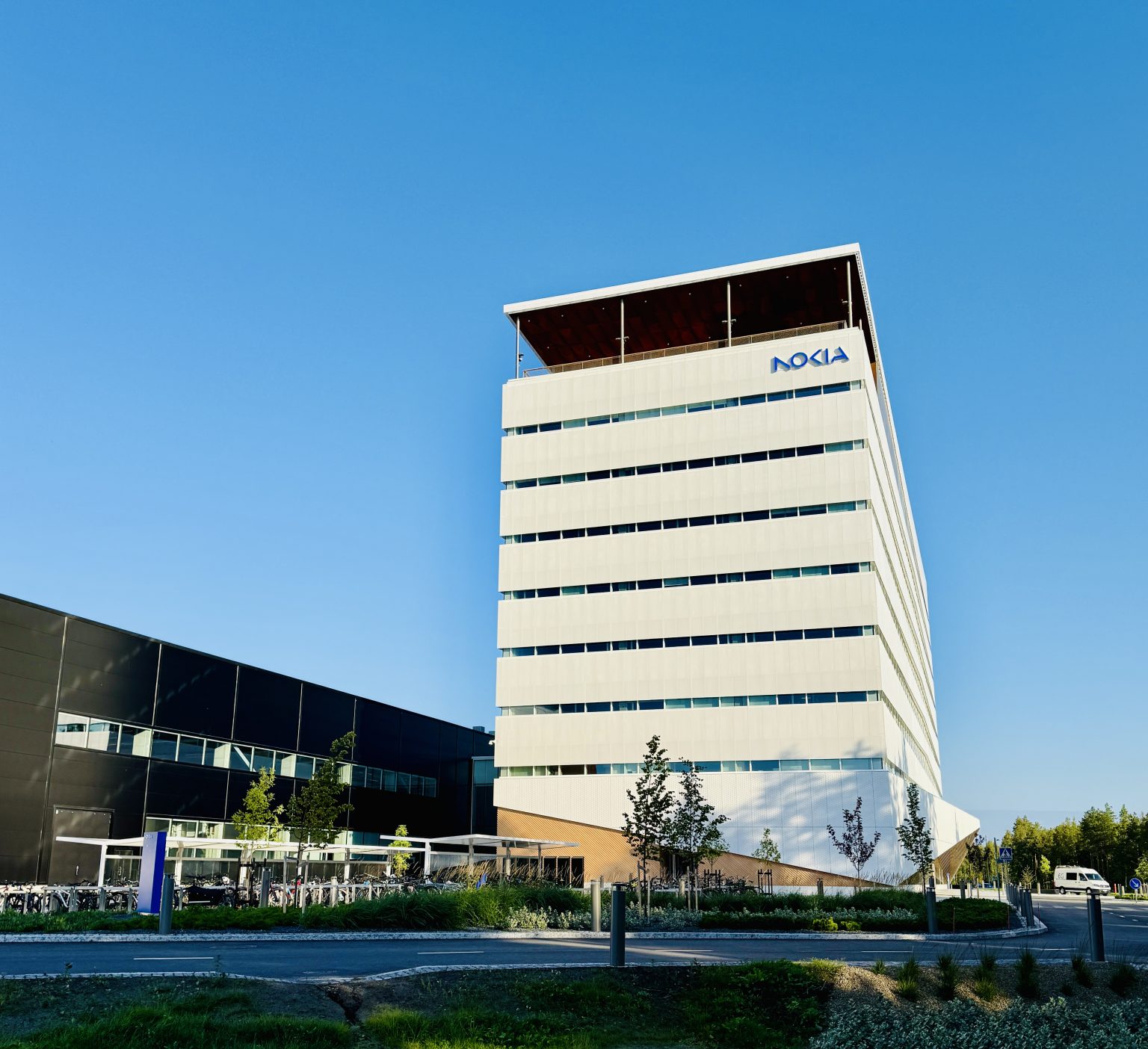
T oday, Friday, September 5, network technology company Nokia officially opens its new campus in Oulu. According to various estimates, the center, worth around €200 million, will house the majority of Nokia's operations in Oulu in the future.
Construction of Nokia's new site began in 2022 and was completed in May 2025, after which operations and employees began moving from the old premises to the new ones.
Nokia's new campus will house research, product development, office and production facilities near the University of Oulu. The site covers an area of approximately 55,000 square meters. Nokia first showed the premises to the media on Thursday ahead of the official opening. Nokia will continue to focus on research, product development and testing of mobile networks and radios in particular in Oulu. This work is supported by the New Product Introduction factory in Oulu, which is tasked with developing and improving manufacturing processes, as most of the mass production takes place in other countries.
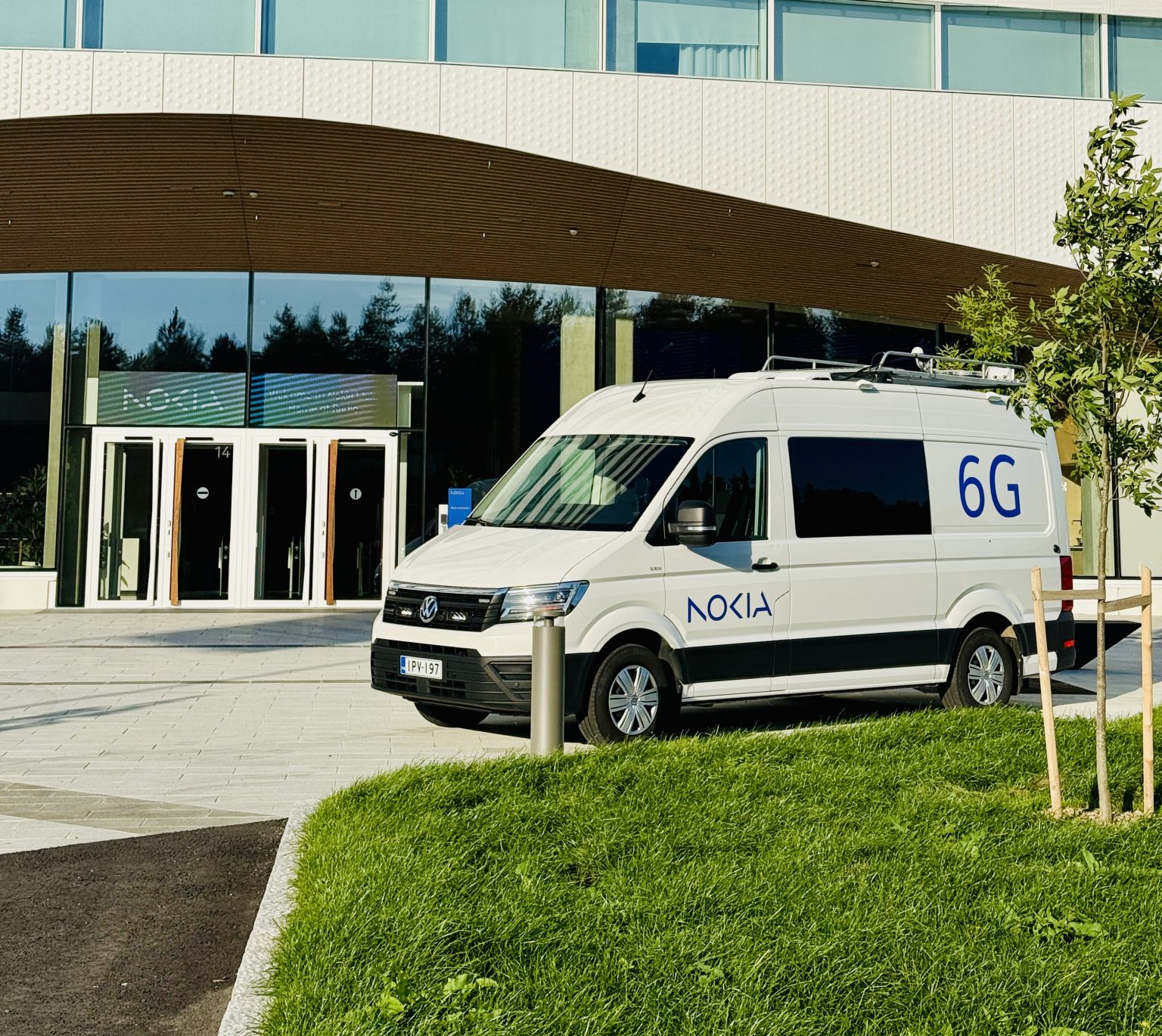
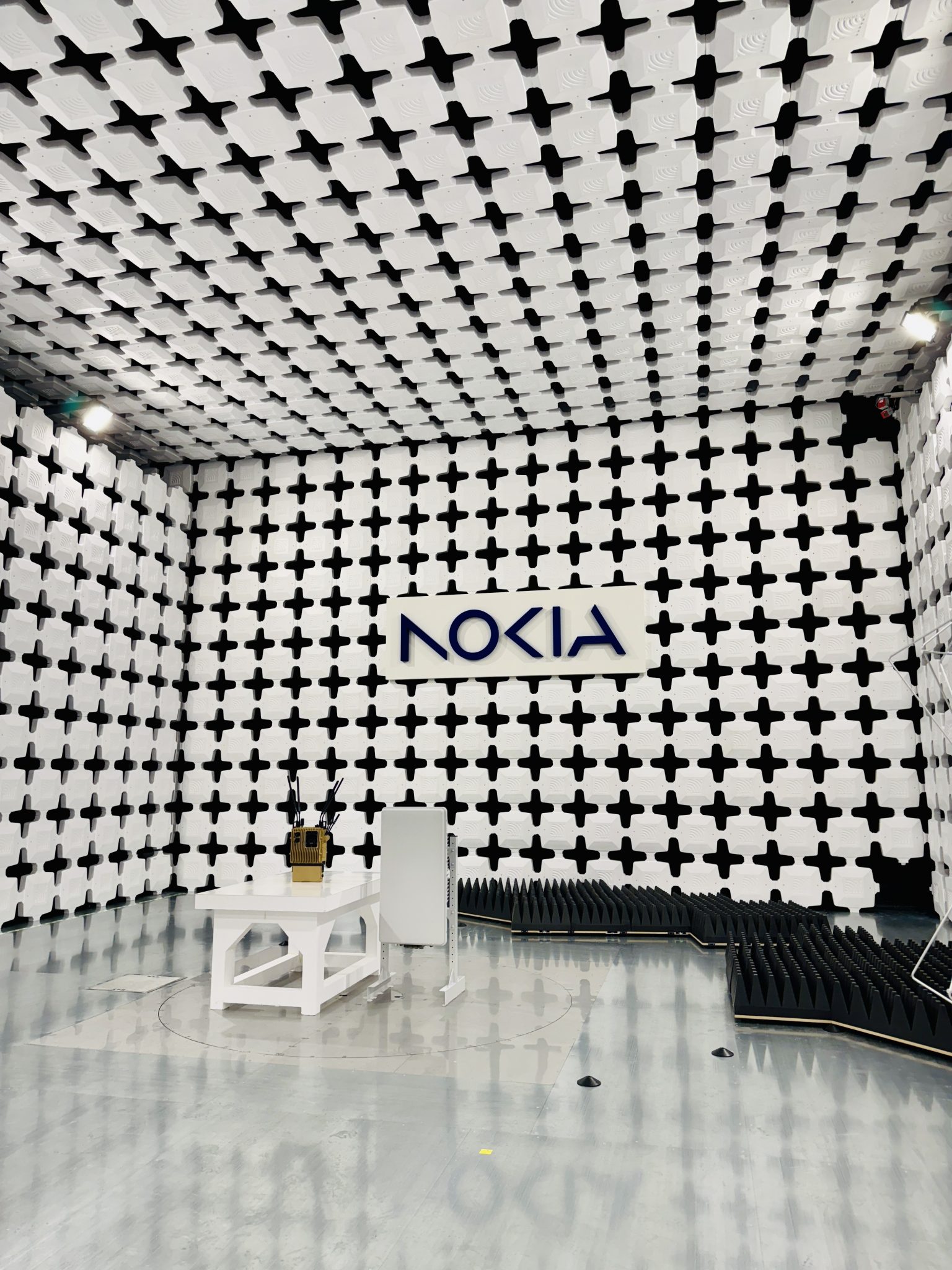
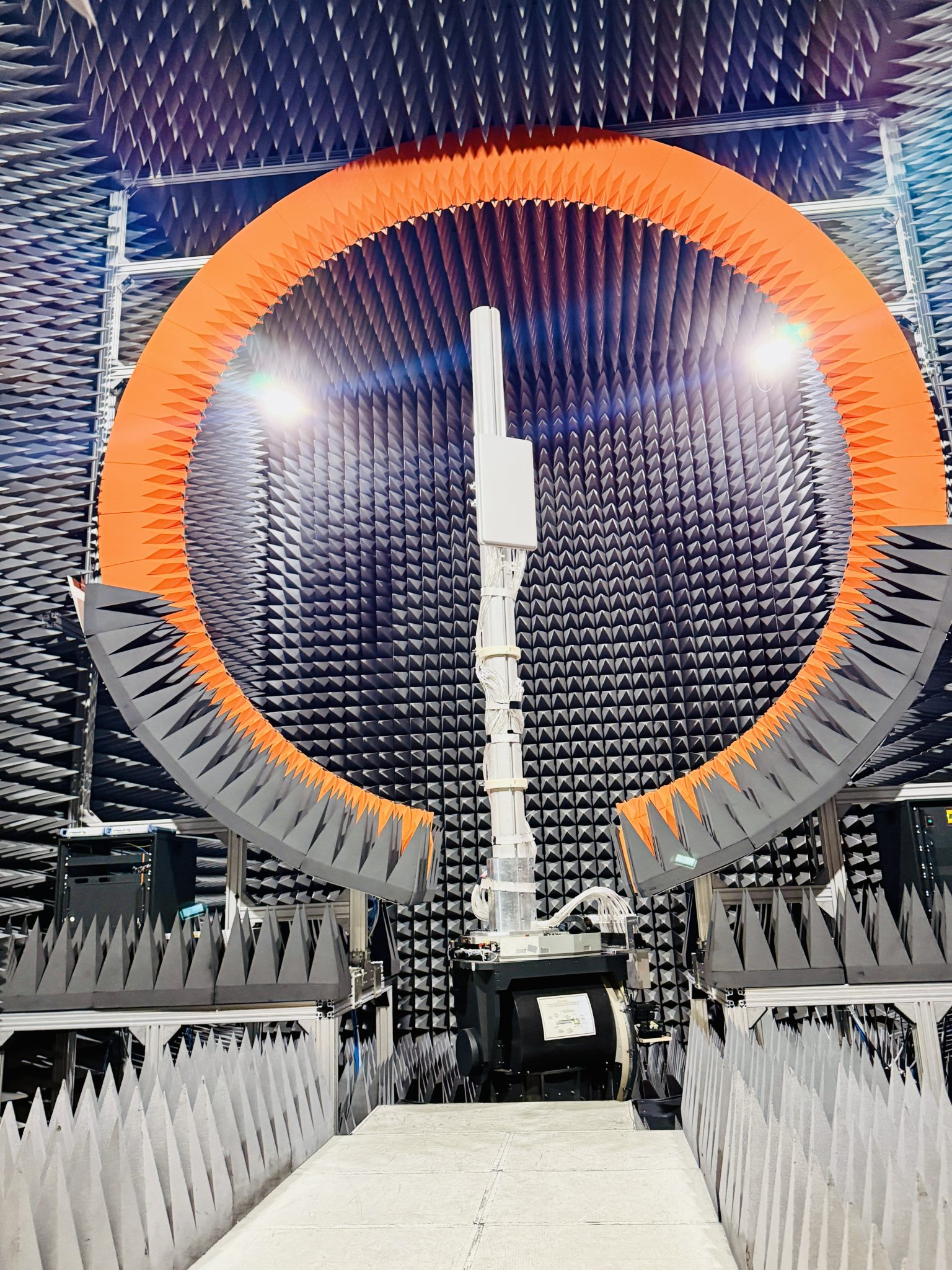
The new Oulu site has enabled Nokia to develop new solutions that will make future product development even more successful. For example, the new campus will have a larger test chamber than before, where tests required for type approval are carried out worldwide. The new, larger chamber will allow for more versatile configurations, as well as testing of future 6G devices operating at higher frequencies.
Similarly, the new, modern premises in the factory are clearly better than before. The factory covers an area of 16,000 square meters, which is barely a third of the size of the new campus. The factory employs 400 employees in three shifts. The height of the space in the factory is highlighted, which according to plant manager Mikko Nissi is one of the most important improvements. In the old Oulu manufacturing facilities, Nokia had problems with the installation of test station rooms, for example.
“In the new premises, the height of the space also means that the lighting comes from a much higher position, which means that the metal structures are not as reflective. This improves the ergonomics of the employees,” says Nissi.
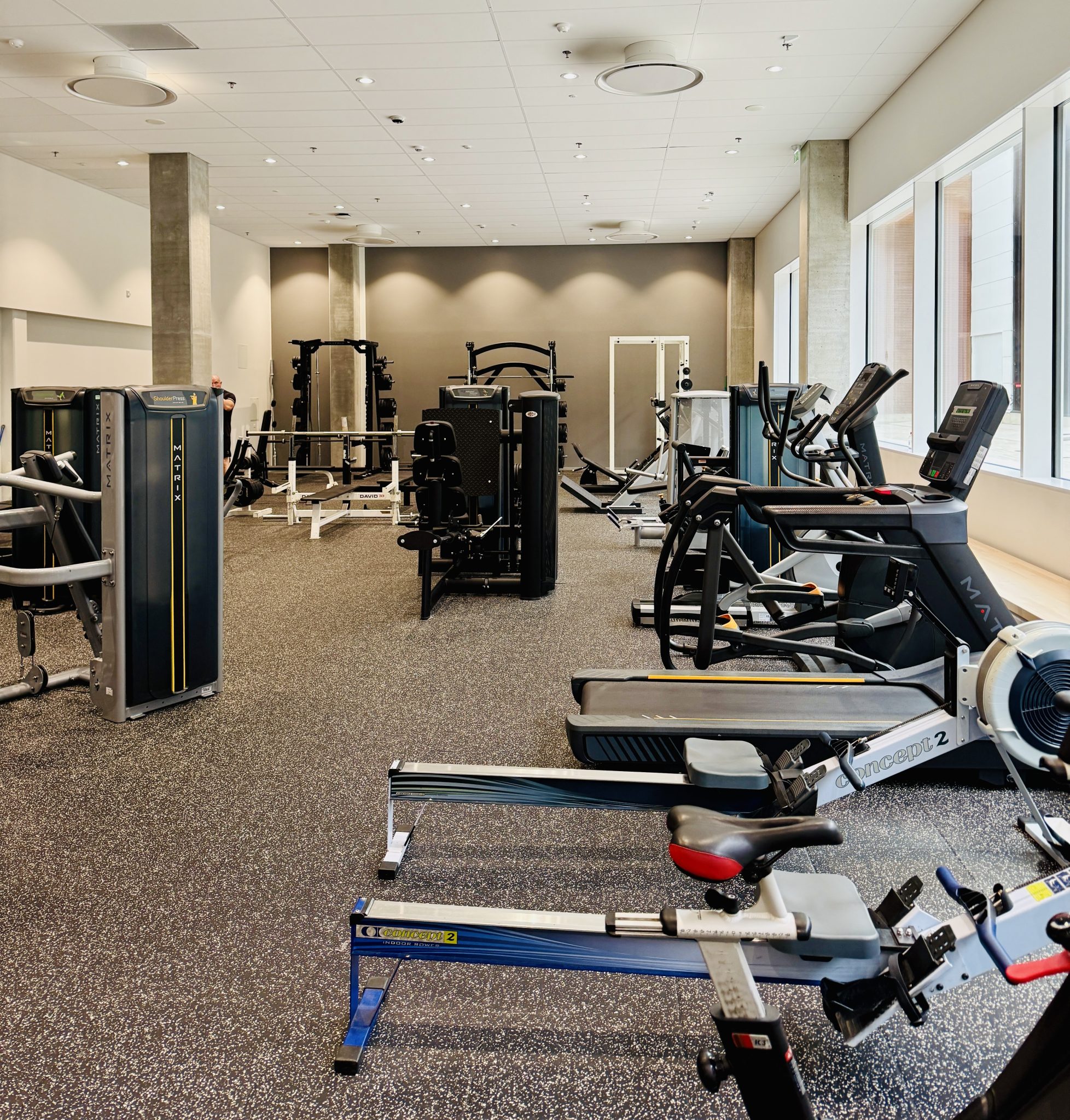
There have also been investments in employee well-being in other ways. For example, the break rooms are quieter than before. In the modern spaces, for example, ventilation, temperature and humidity control work as well as possible. Of course, the facilities are also environmentally friendly: the operation is based on renewable energy, and the waste heat is used to heat around 20,000 households in the Oulu region.
The factory produces mobile network base stations for operators. According to Nissi, the Oulu plant produces around 1,000 product units per day. Although the factory is primarily focused on the initial production of new products and, as part of that, refining the manufacturing process, the factory also produces certain products for certain customers for longer periods.
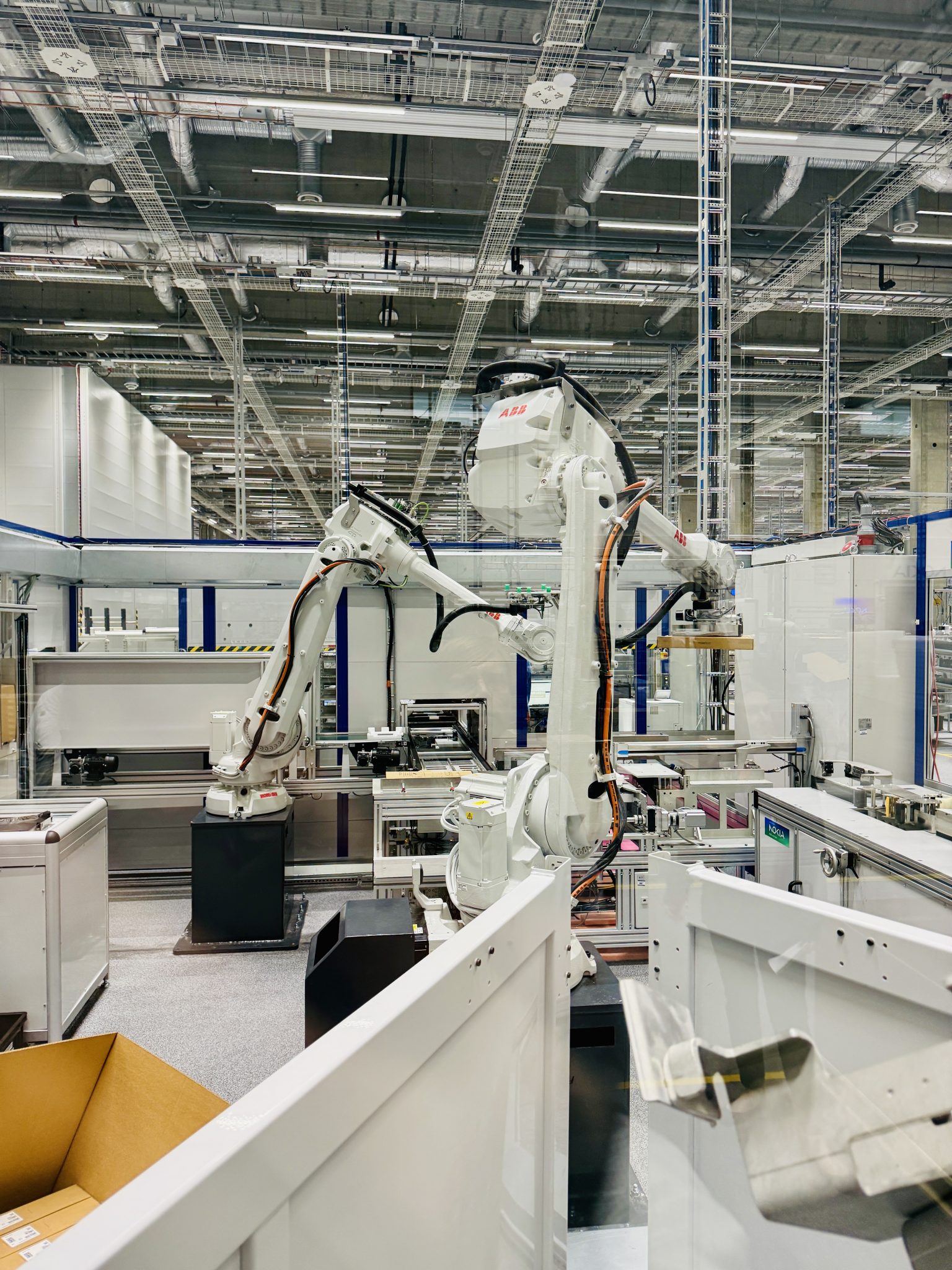
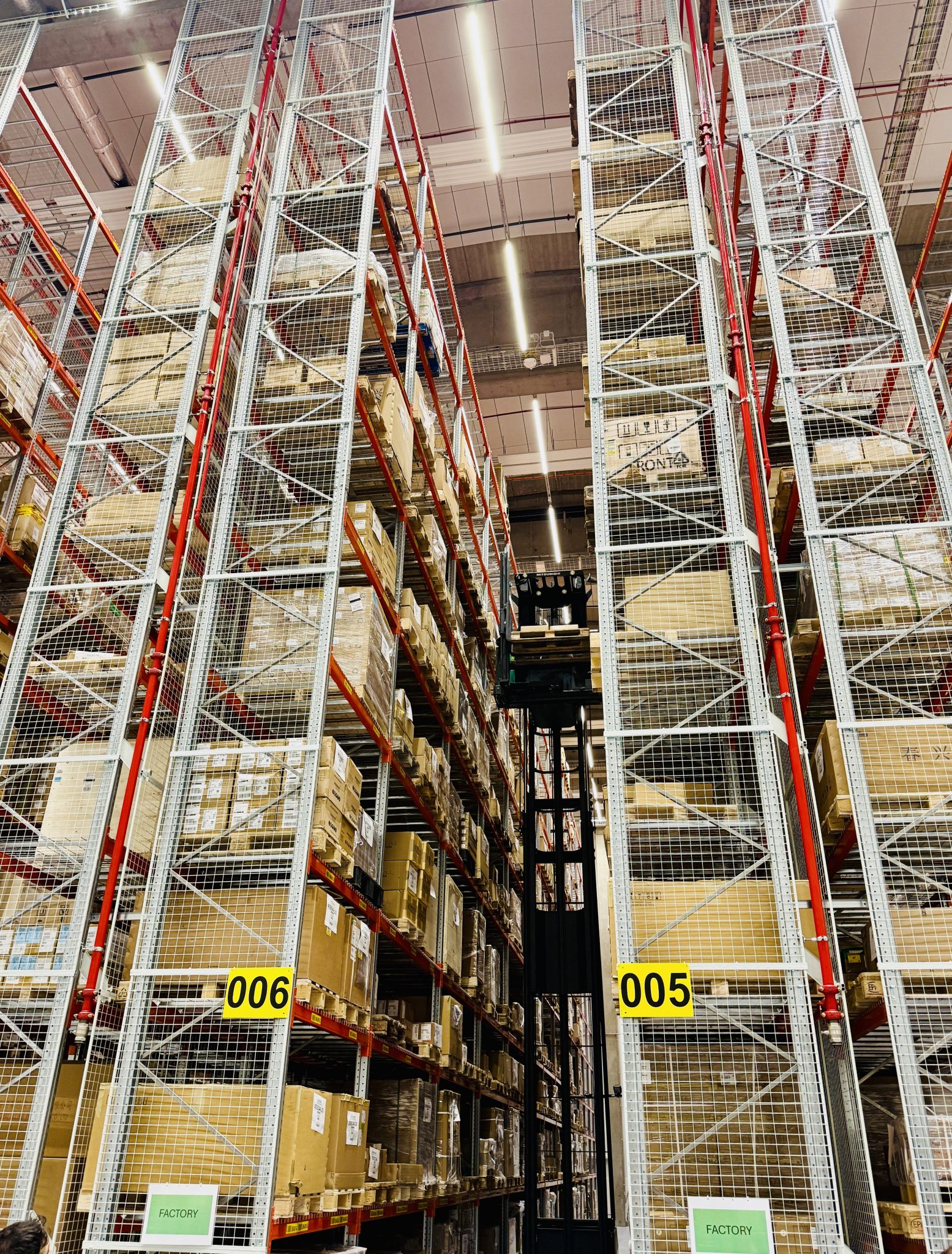
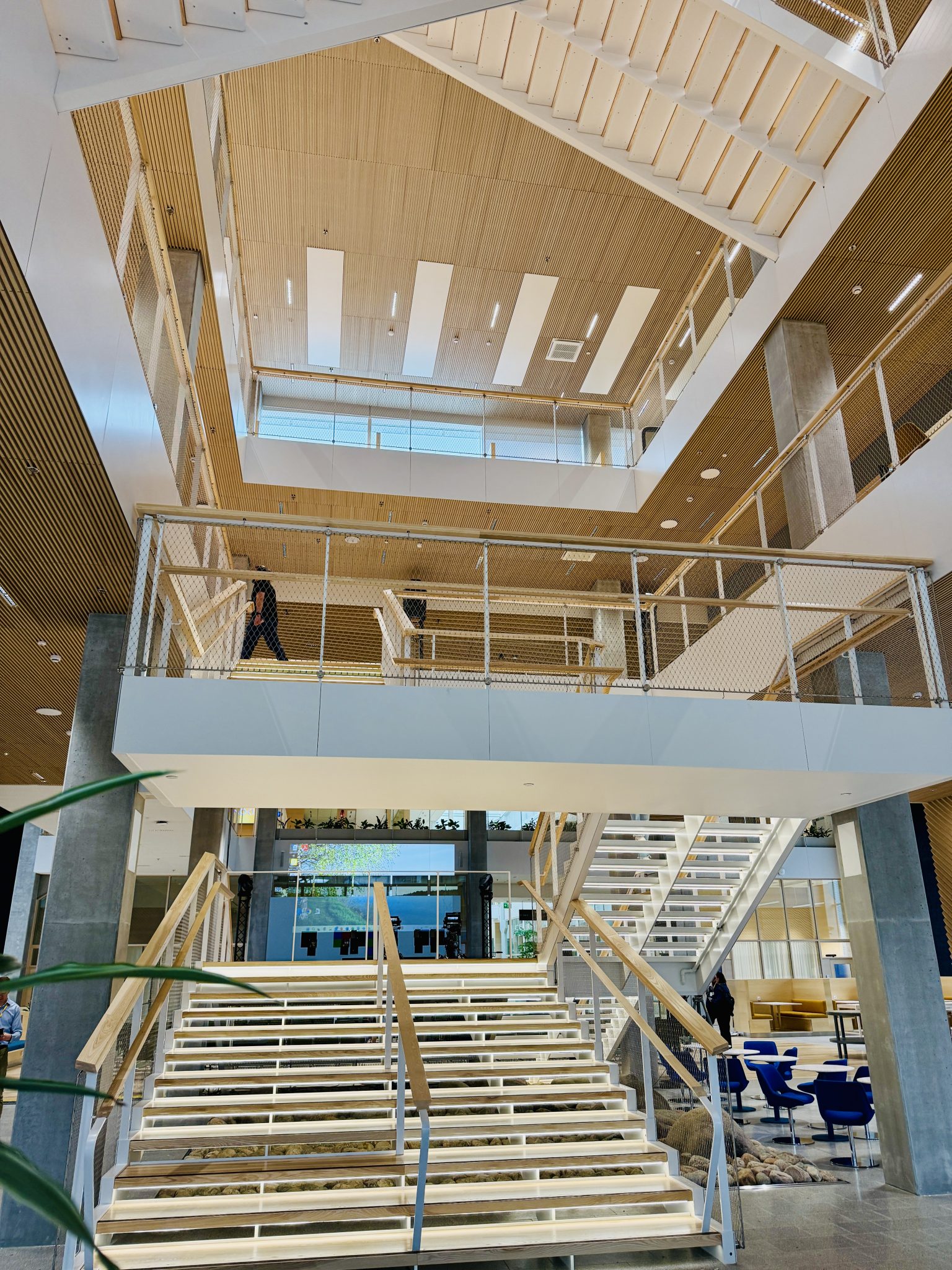
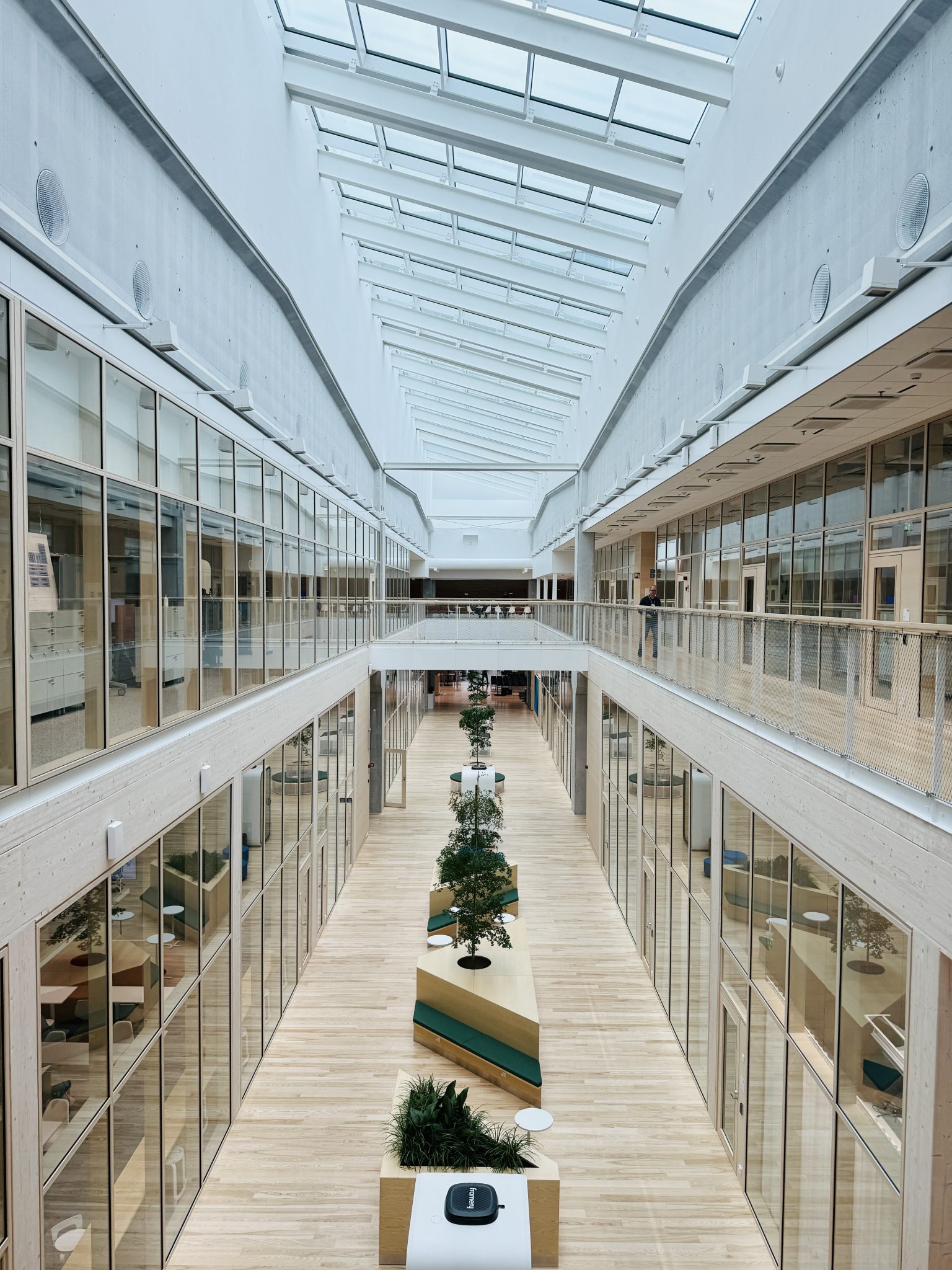
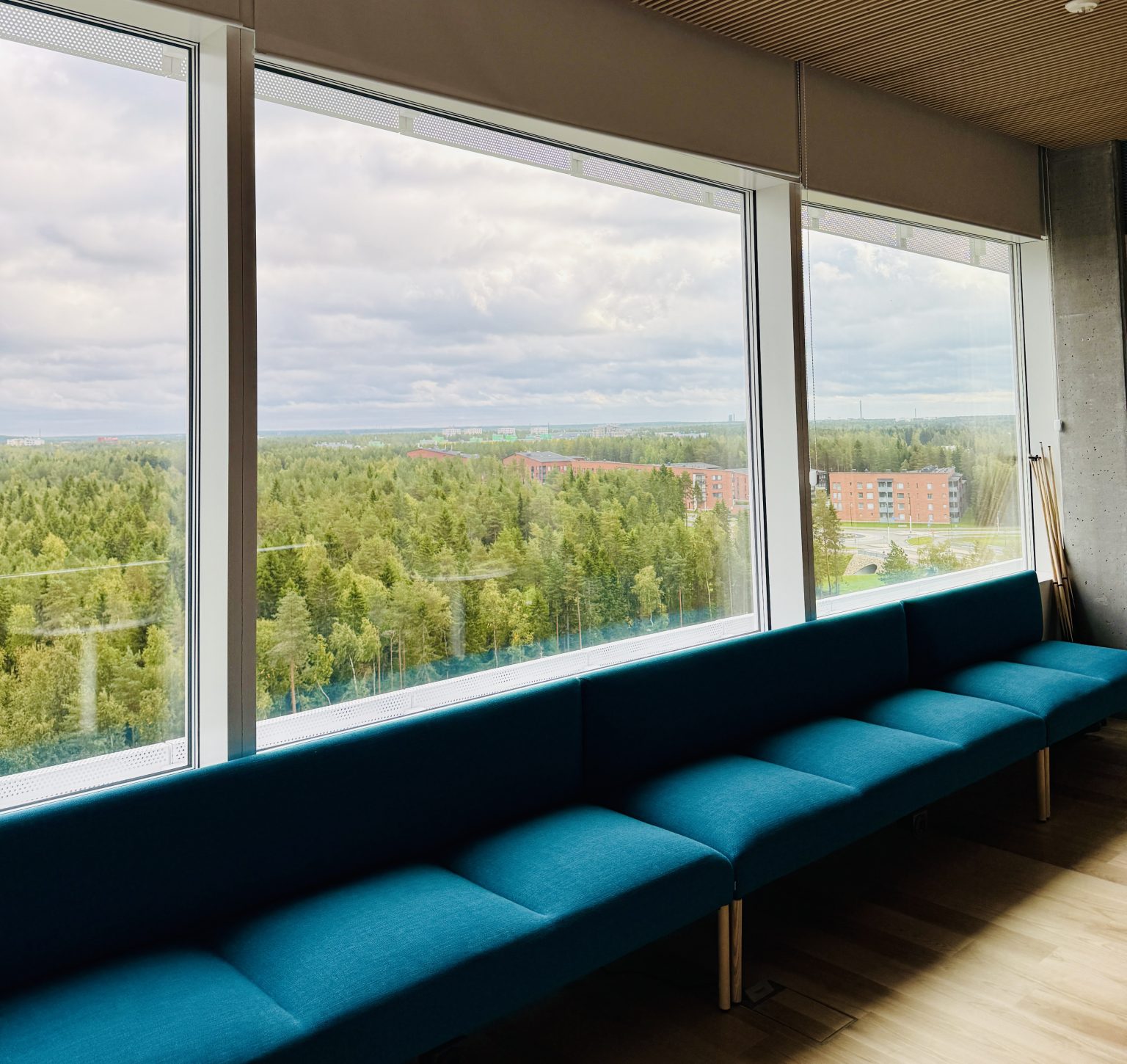


Thanks to the easily modifiable, more efficient space, the factory area is more compact than before, as is the entire campus, which is about 30 percent smaller than Nokia’s previous site. The factory uses a lot of robots, and there are dozens of them in the factory. The new factory will further improve Nokia’s production efficiency, which has already achieved a lot in recent years. Plant manager Nissi cited, among other things, an increase in productivity, i.e. output per hour worked, which has increased by about 250 percent.
A total of about 2,800 employees work at Nokia’s new campus – although most of them work remotely, although the new premises may attract more people to the office. The majority of people work in research, product development and testing rather than in production. In total, more than 40 nationalities work at Nokia in Oulu.
At the heart of the nine-story part of Nokia's new campus is a staircase where employees meet during the day. On top of the new campus will be a docking station and an "air traffic control tower" for the drones that Nokia will use to test its mobile network. The use of a drone that can be easily moved to different locations and controlled remotely has made testing work much easier, reducing the need for employees to physically move around when the network-connected test equipment travels on board the drone. Although most of Nokia's Oulu operations will be located on the new campus in the future, it was not worthwhile to move everything there. About two hundred employees continue to work in separate OTAVA laboratory rooms elsewhere in Oulu. Relocating the test chambers would not have made economic or operational sense.
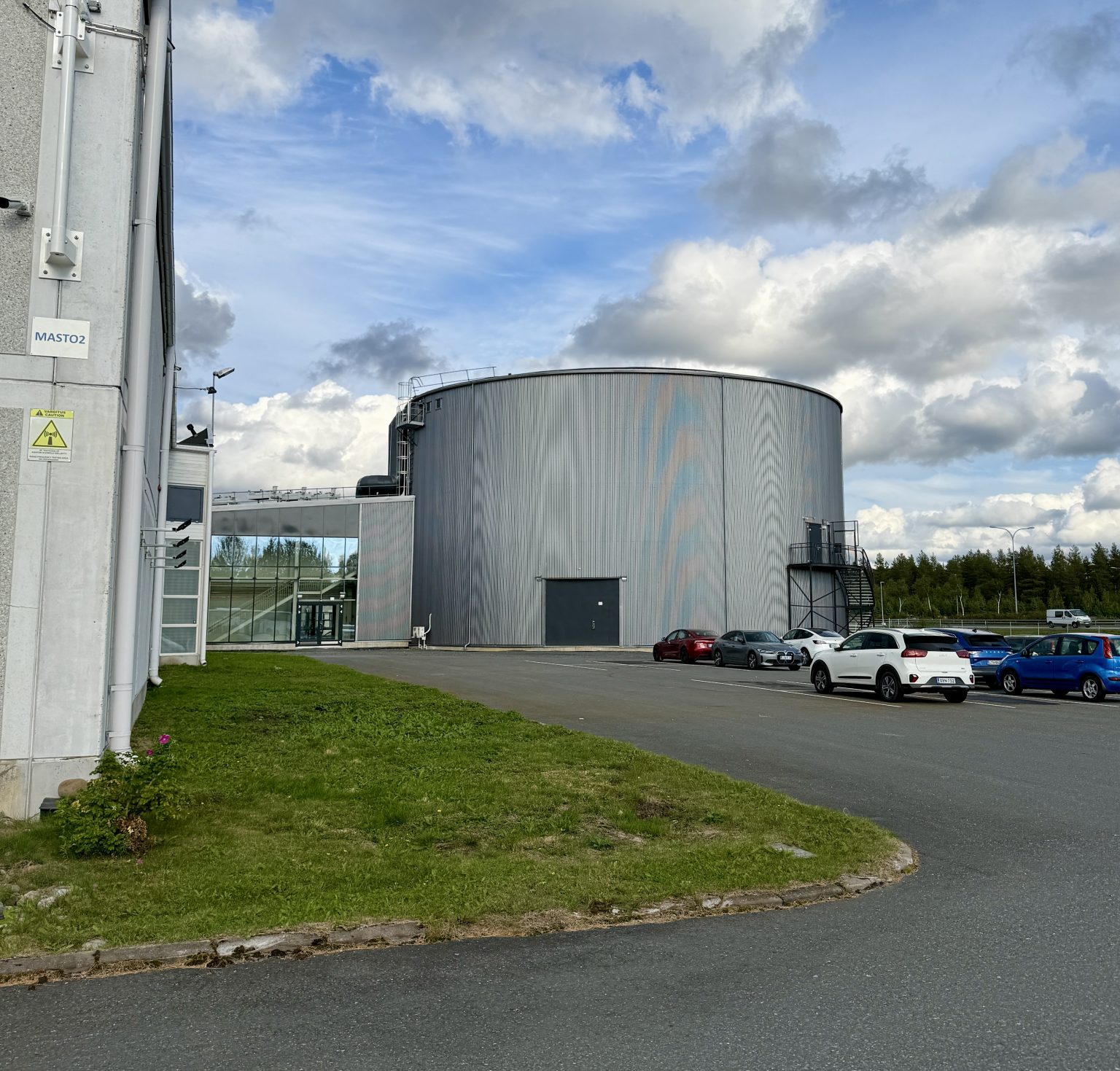
Nokia has also made significant investments in these facilities in recent years. Next to the grey concrete building, a dark grey cylindrical building has been built, which hides one of Nokia's secrets.
Among other things, the media was strictly forbidden from taking photos in this area. Inside the cylinder is a test room where Nokia can, among other things, test beamforming technology, which plays a key role in 5G networks, in which base stations direct the signal towards the network users. The test method, based on innovations by Nokia engineers, makes testing much easier and faster, because instead of moving the terminal device, such as a smartphone, its signal can be transmitted to different points thanks to antennas placed in the room.
Nokia is also continuing its field testing work in the large OuluZone area owned by the City of Oulu, in the "middle of nowhere". There, too, tests can be carried out using drones, which are remotely controlled from the OTAVA laboratories closer to the city center. In addition to outdoor field testing, Nokia's new facilities can also be used for more simulated testing. The campus includes a test room with up to 2,500 base stations, which can test the network with up to 6 million simulated phone users.
The special feature of Nokia's new location is the proximity of research, product development, testing and manufacturing, which allows for seamless collaboration. If a product developer has a question about testing a new solution, they don't necessarily have to walk more than a few dozen meters to a colleague.
Nokia CEO Justin Hotard, who started his job at the beginning of April, spoke to the media on Friday, discussing the new Oulu campus as one of Nokia's investments to accelerate innovation.
"This is of strategic importance not only for Nokia, but also for Europe and the democratic world,"Hotard commented."
Hotard also highlighted the importance of the ecosystem in particular. Nokia's new facilities will help it collaborate even better with its partners.
Via Link"This sets an example for the rest of the company to work with the ecosystem," Hotard said of the work in Oulu. "This is a place where we are fortunate to have a strong ecosystem around us."