 KIANEWS


CES or the International Consumer Electronics Show is the premium event of the technology sector. It will take place between January 9 and 12, 2024 at the usual location, the Las Vegas Convention Center, where HMD Global, or HMD America, will now also be present. This year, the Finnish company that operates Nokia-branded devices rented a booth in Murano 3201A, which is the location of the meeting. Last year, HMD struck a similar deal and unveiled several US-based devices.
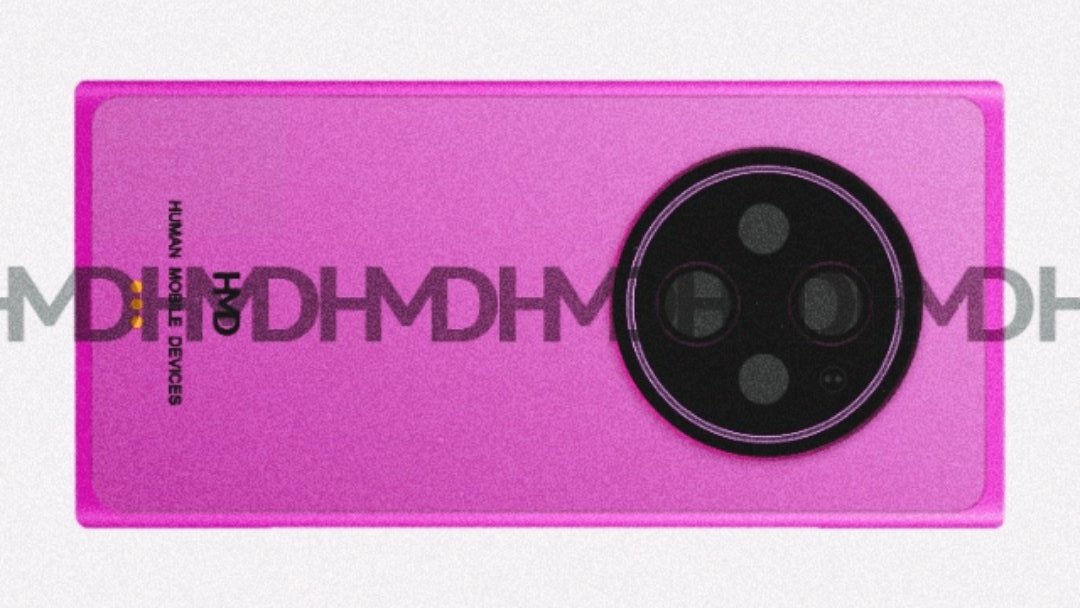
HMD Skyline G2 smartphone camera design
22. 06. 2024 Saturday / By: Robert Denes / Leakage / Exact time: BST / Print this page
L ook at this new HMD Global stand, I think it was just designed for a Skyline smartphone, the exact name of which would be Skyline G2. In principle, this is only planned and therefore it is not known if it will ever be produced or if it is already in production. At the moment, I can only tell you that everything is possible, as you can see in the camera design.
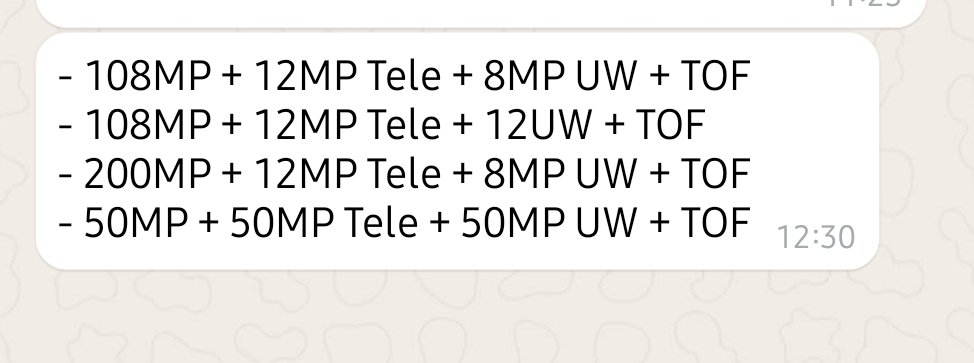
The Skyline G2 is not finalized and we still have a long time to build this model, but the one thing we can confirm is that HMD wants to present the Skyline series as an attractive option for photographers. Unfortunately, the draft still includes a 50MP camera, which I have to say was used long ago. I'm not saying that the plan is bad, but it wouldn't hurt to forget this 50MP even in the production of all mobile cameras for other phone manufacturers. Sorry, but I think it's pretty old fashioned. The next one with 108MP, of which we can already see a leaked device photo, so in principle HMD has already put it into production. Almost all mobile phone manufacturers have already released their devices with 200MP cameras, it would be time for HMD to launch such a smartphone, if Nokia "forgot" this before.
If we continue after the megapixel, we can see the 12 and 50MP telephoto markings, which show the settings and properties of the optics. Today, imaging features play a key role in evaluating a phone. And it is not only quality that is important, but also versatility, so that the user can choose from the options that best suit their circumstances and needs. It might seem unbelievable now, but it wasn't until 2014 that the first device with an extra sensor to create bokeh-effect images was released, and the first real multi-camera mobile didn't see the light of day until 2016.
However, in the last roughly half a decade, we have witnessed an amazing development in this field: Now it is completely natural that even cheaper devices have several cameras lined up on the back, and premium category devices often have a whole forest of cameras. However, there are many people who do not really know , what is the exact difference between each type of camera, as well as what they are good for, when and for whom they can be useful. However, this is important, as it also plays a large role in the value of use of a device.
This is the most used, general unit, which should not be missing from any device. Its viewing angle is normal, and it produces the best quality recordings even in the dark/low light.Ultra wide viewing angle camera - a trickier piece, since here, as the name shows, the viewing angle is large, which can reach up to 123-125 degrees, which comes with with the reduction of the focal length. This results in the end result being as if we were taking the photo from further away than it really is, so simply "more everything" fits into the picture. This service can be very useful, for example, when sightseeing or on a trip, when there is simply no physical space to fit all the desired subjects into the picture when taking photos from a distance.
Telephoto - the so-called zoom camera, whose task is the opposite of that of ultra-wide-angle units,...because it brings the subjects closer. It is important that it does not use digital technology for this, i.e. it does not cut out a part of the seen image using software, but uses so-called optical zoom, in which the seen image is magnified by means of specially designed lenses, making use of physical laws.
With periscope telephoto cameras, the specially polished lenses are also moved, which allows for even greater optical zoom performance without quality degradation. And this cleaning is made possible by turning the path of the incoming light with a prism, so that most of the lenses are already located perpendicular to the back of the phone, which is why several members can fit here without the lens sticking out of the phone even more.
 Macro and super macro units are used for taking pictures of extremely close contents. The main camera is often used for this task in more modern, more sophisticated phones with outstanding optics and sensors, so they don't even have a separate macro camera.
Depth camera - collects data for the so-called bokeh effect or portrait photography, where the software blurs certain parts of the image to create the illusion of depth of field. If a phone has this type of camera/sensor, it indicates that there is a good chance that the portrait photography option will also work well.
Macro and super macro units are used for taking pictures of extremely close contents. The main camera is often used for this task in more modern, more sophisticated phones with outstanding optics and sensors, so they don't even have a separate macro camera.
Depth camera - collects data for the so-called bokeh effect or portrait photography, where the software blurs certain parts of the image to create the illusion of depth of field. If a phone has this type of camera/sensor, it indicates that there is a good chance that the portrait photography option will also work well.