 KIANEWS
This could split the technology manufacturer lock that has existed for decades
19. 09. 2020 Saturday / By: Robert Denes / Industrial / Exact time: BST / Print this page
The U.S. ban on Huawei Technologies Co.’s leading position in the lucrative wireless base station market has given Altiostar Networks Inc. and new entrants, including Qualcomm Inc., a rare opportunity to grab a slice of it, pushing Ericsson and Nokia into the background. European manufacturers.
(Bloomberg) - The U.S. ban on Huawei Technologies Co. should have given Ericsson AB and Nokia Corporation the lead in the lucrative market for wireless base stations. That's not how it works.
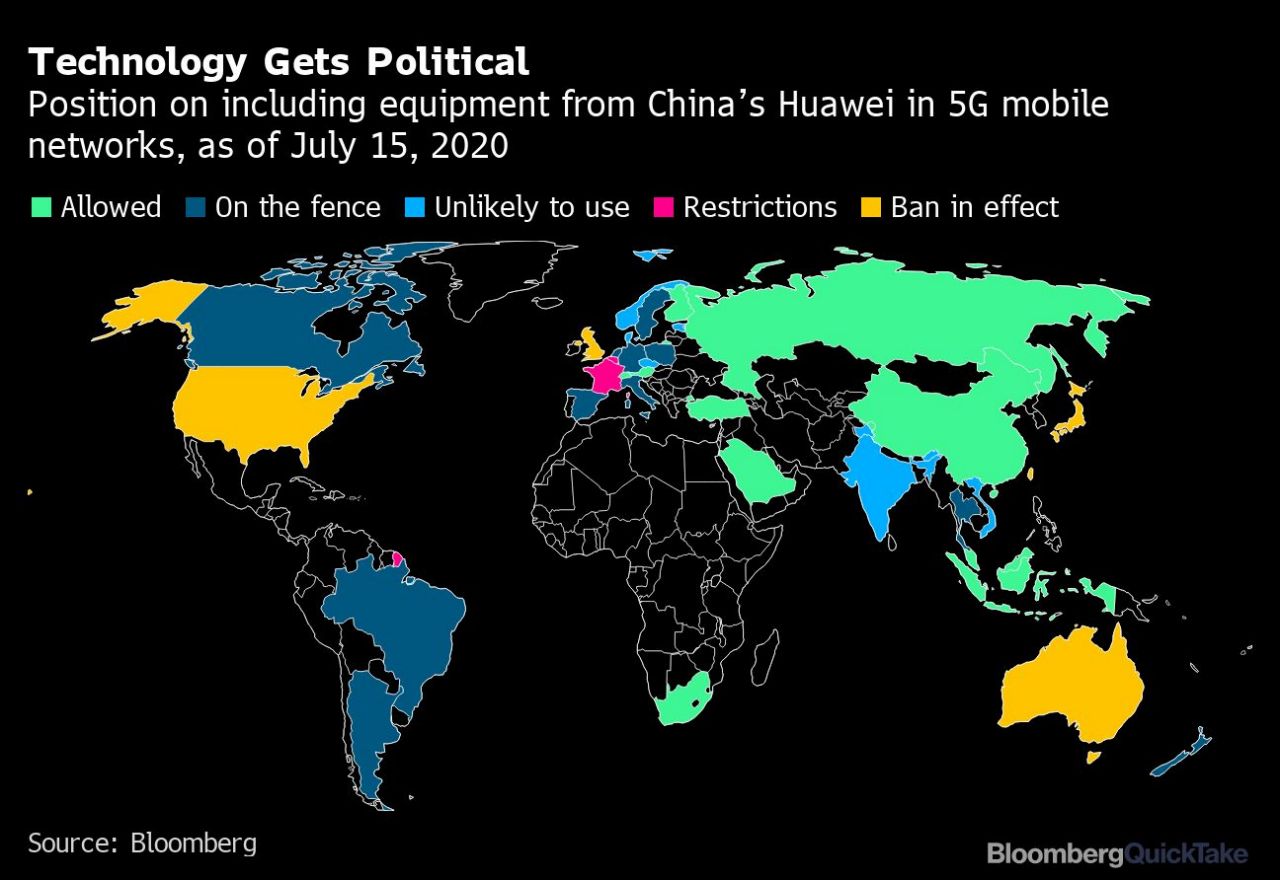
Retaliation against China’s largest technology company has given start-ups like Altiostar Networks Inc. and new entrants, including Qualcomm Inc., a rare opportunity to seize a slice of the $ 35 billion a year the telecommunications industry spends on mobile phone networks. in this crucial part.
“This could split the technology vendor lockout that has existed for decades,” said Andre Fuetsch, head of network services at AT&T Inc., the third-largest wireless provider in the United States. "It's about creating a more competitive, innovative ecosystem." Base stations are the heart of cell phone networks that operate millions of antennas that sit on cell towers and city rooftops around the world. Until recently, these boxes were specific combinations of processors and software that had to be purchased at the same time. Huawei, Ericsson and Nokia account for three-quarters of the market, worth $ 35 billion a year, according to researcher Dell'Oro Group. An open radio access network, or O-RAN, changes this by creating an open standard for base station design and ensuring that all software and components work well — regardless of who supplies the components. This is a potentially radical shift. When telecom giants like AT&T and China Mobile Ltd. want to expand their network, they usually have to call their existing supplier and order more because one of Nokia’s boxes won’t work with Ericsson. New technology makes it easier for wireless providers to mix. The initiative also means that new vendors can be successful if they focus on one or two components or a single piece of software, instead of spending a lot of time and money building an entire base station from scratch. The O-RAN engine has been used sparingly since an industry alliance was formed to promote the technology in 2018. But when the United States reaffirmed its position against Huawei last year and encouraged other countries to push for it, interest in introducing O-RAN grew. The Chinese tech is a cheap service provider. Now unavailable in some markets, carriers are more willing to look for alternative carriers using a more flexible O-RAN approach. “Increased geopolitical uncertainty is helping them get an invitation to the table that would not normally have taken place,” Dell’Oro Stefan Pongratz, a group analyst, said. "Several manufacturers - not just in Europe but around the world - are fundamentally reassessing their exposure to...read more Via Link